No One Stops.
不留, 2026


作品介绍
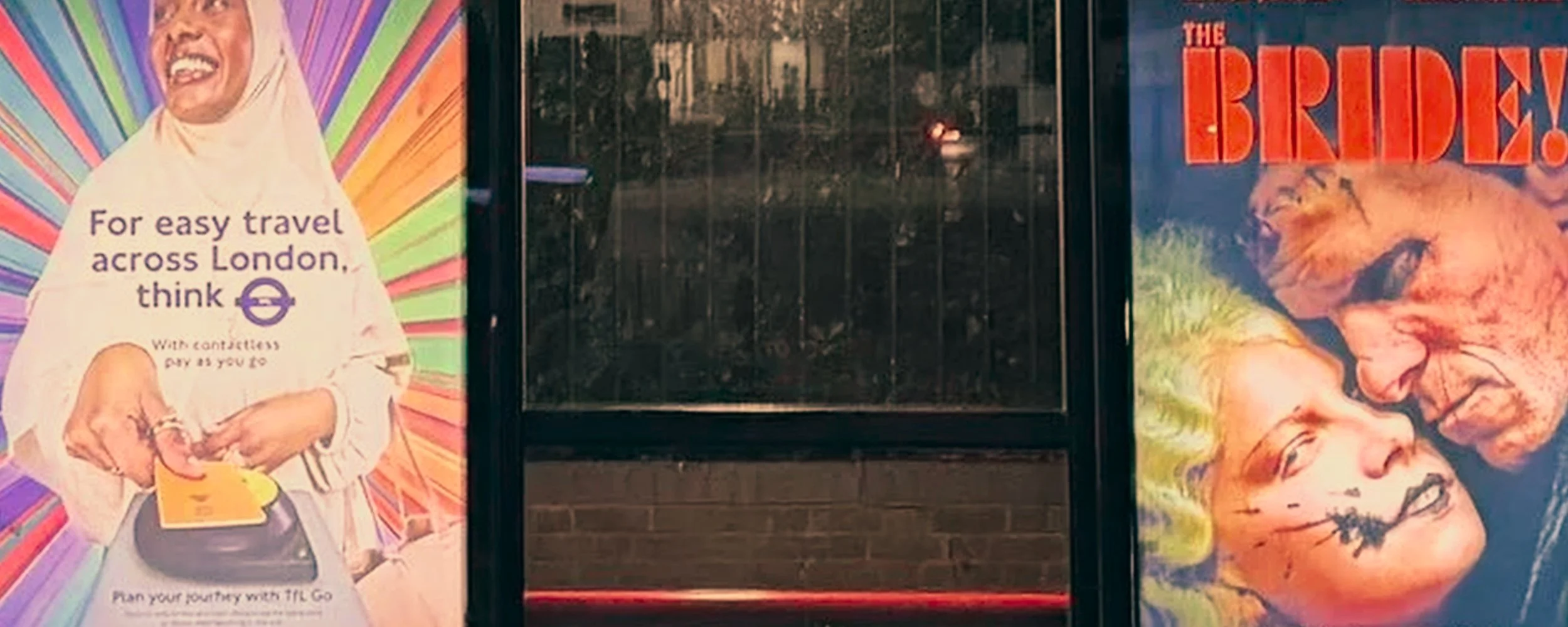
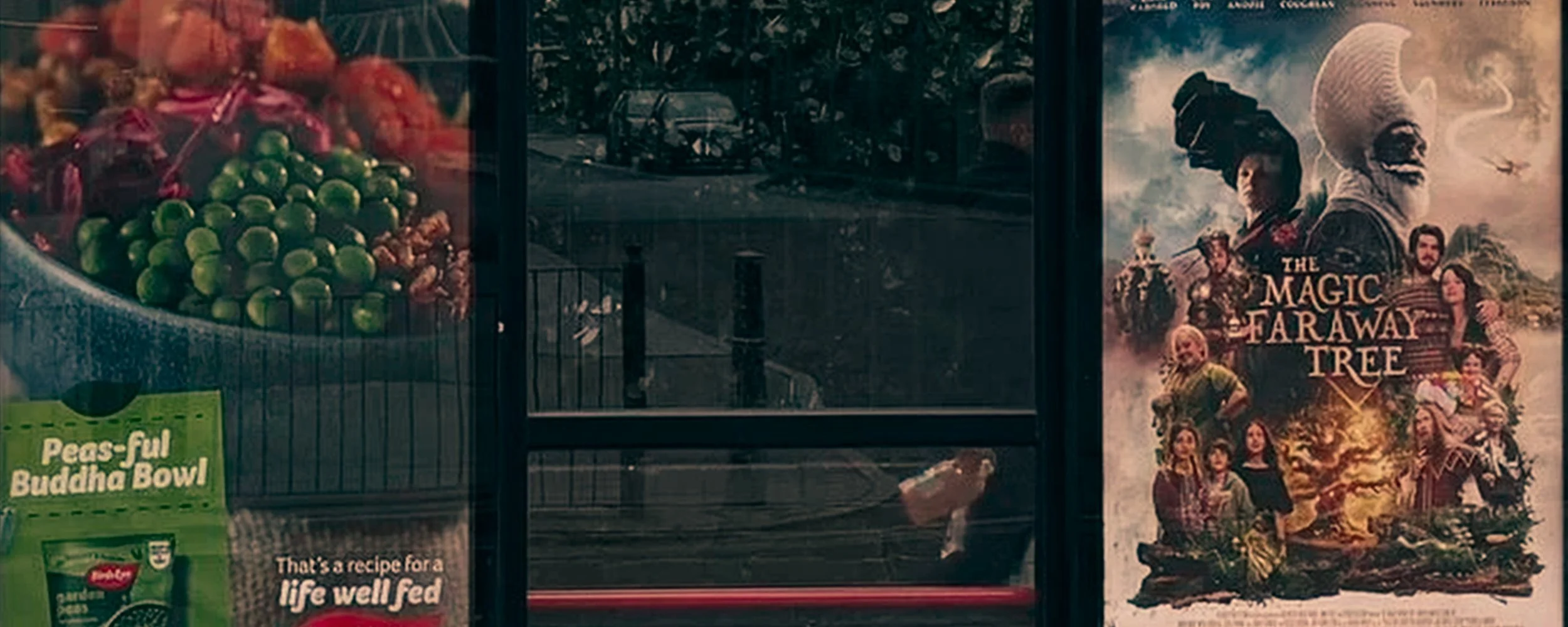
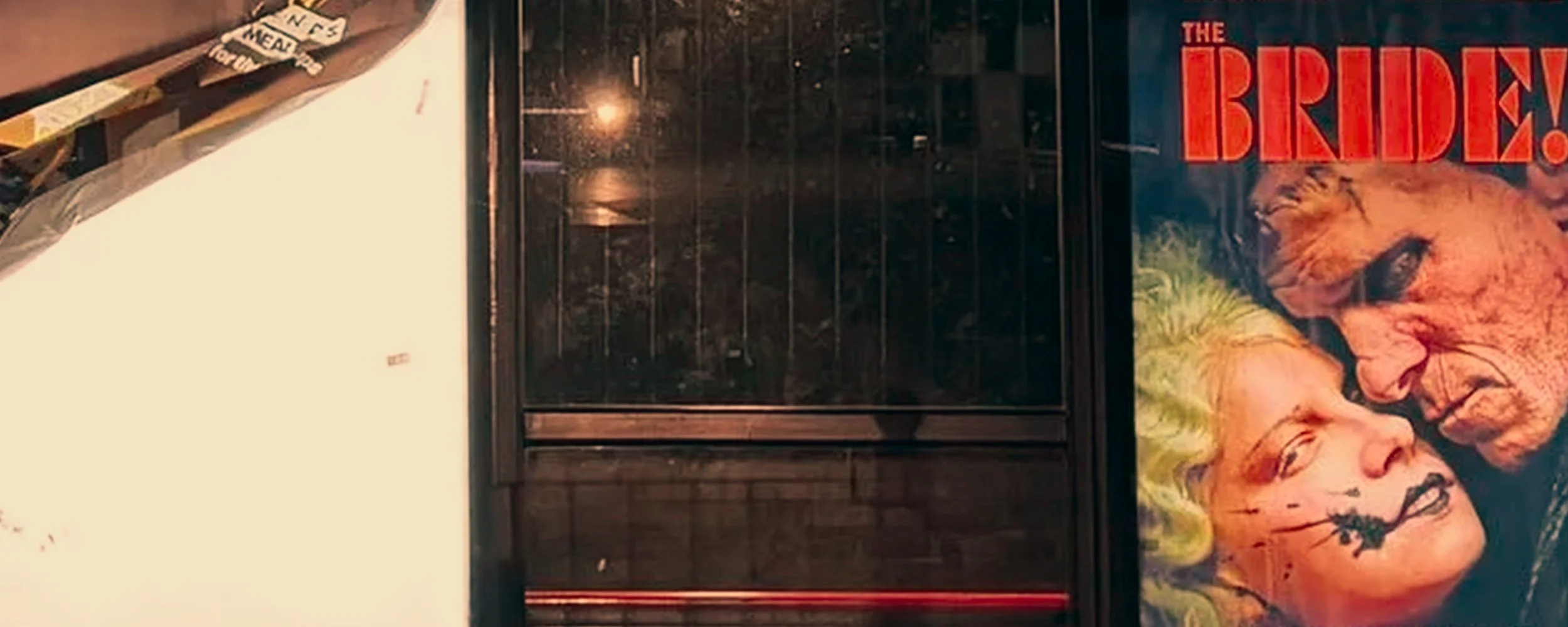
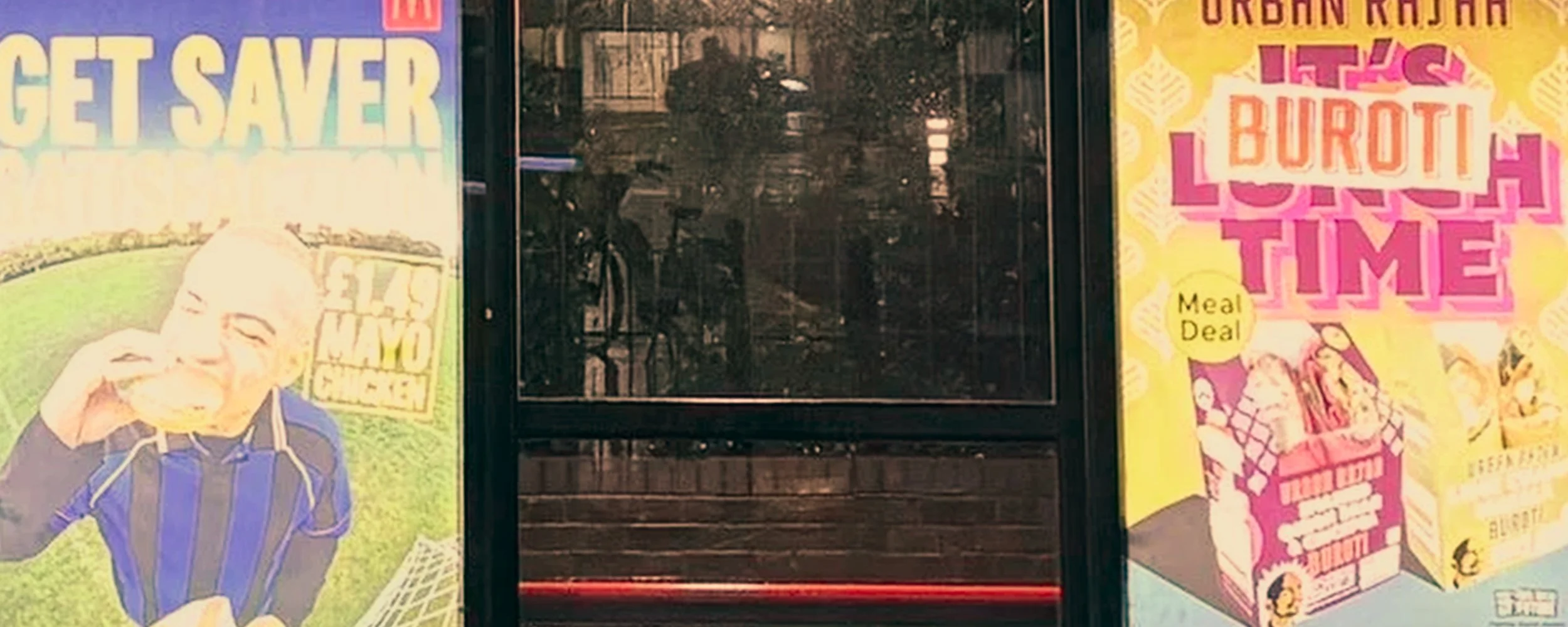
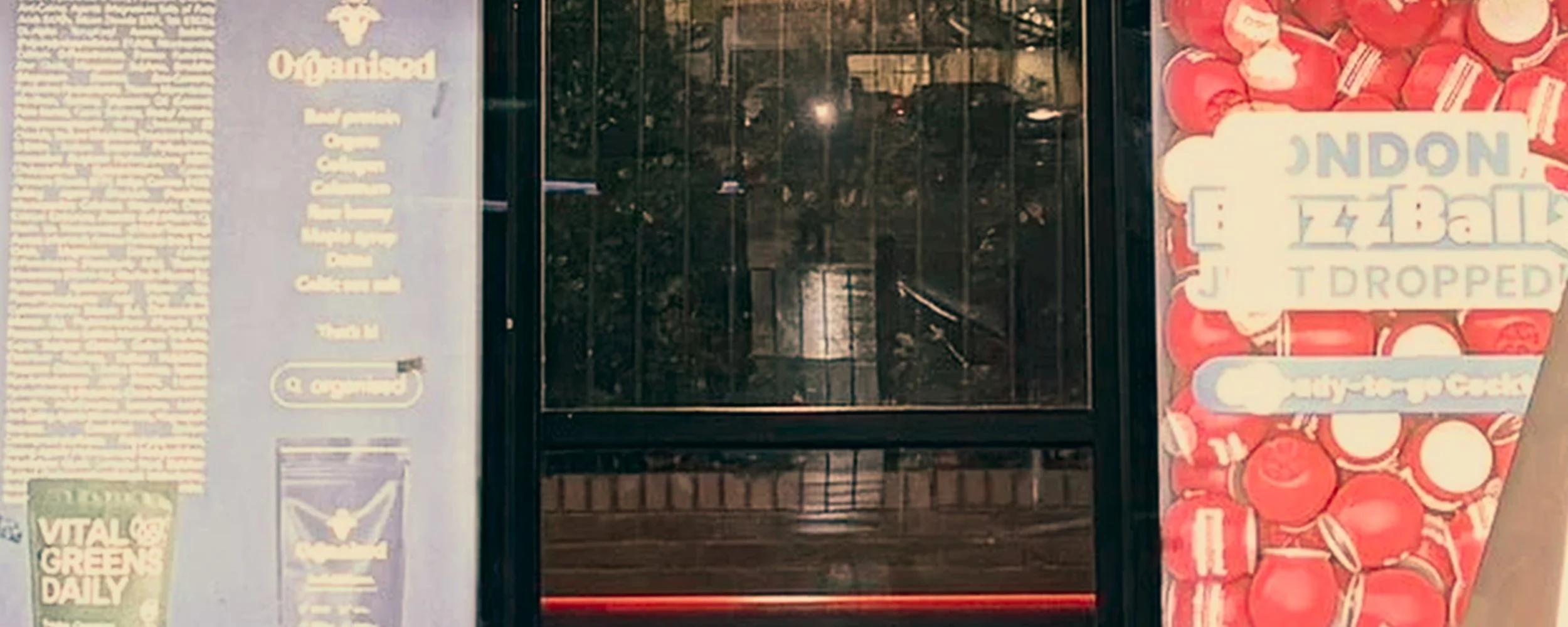
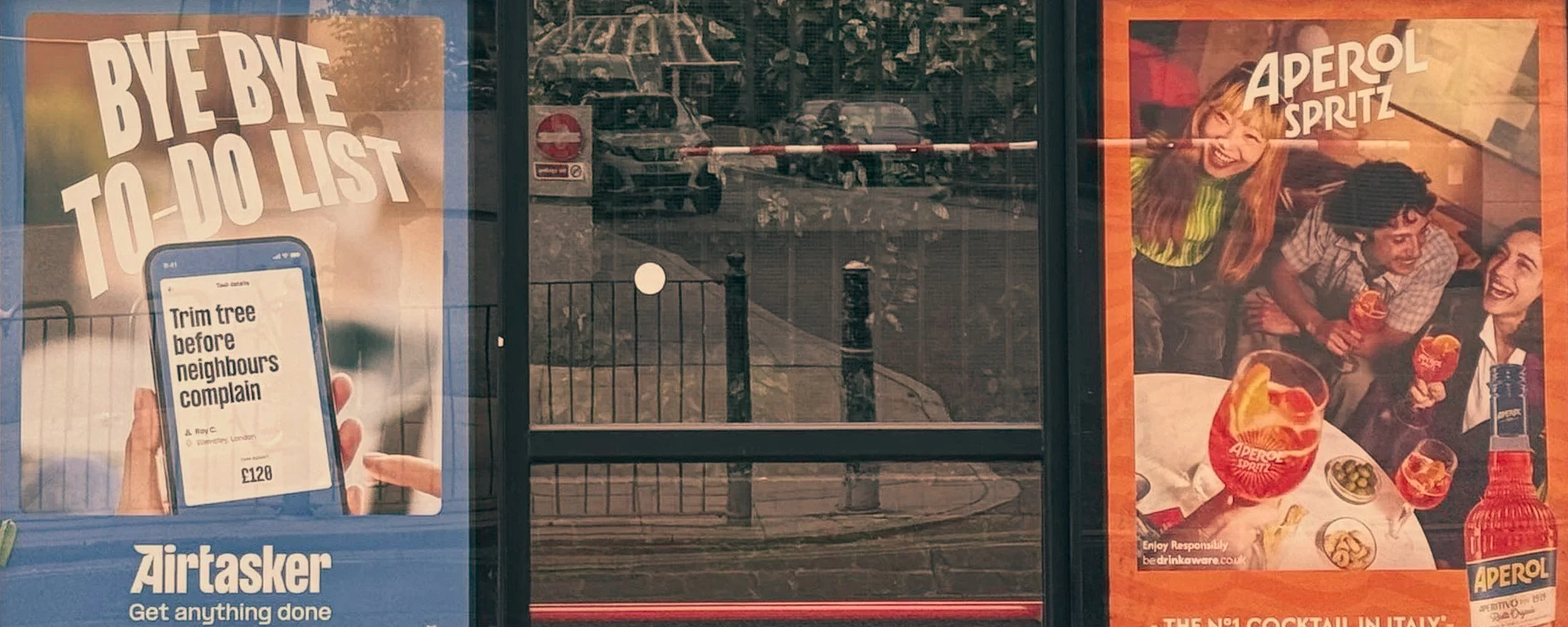
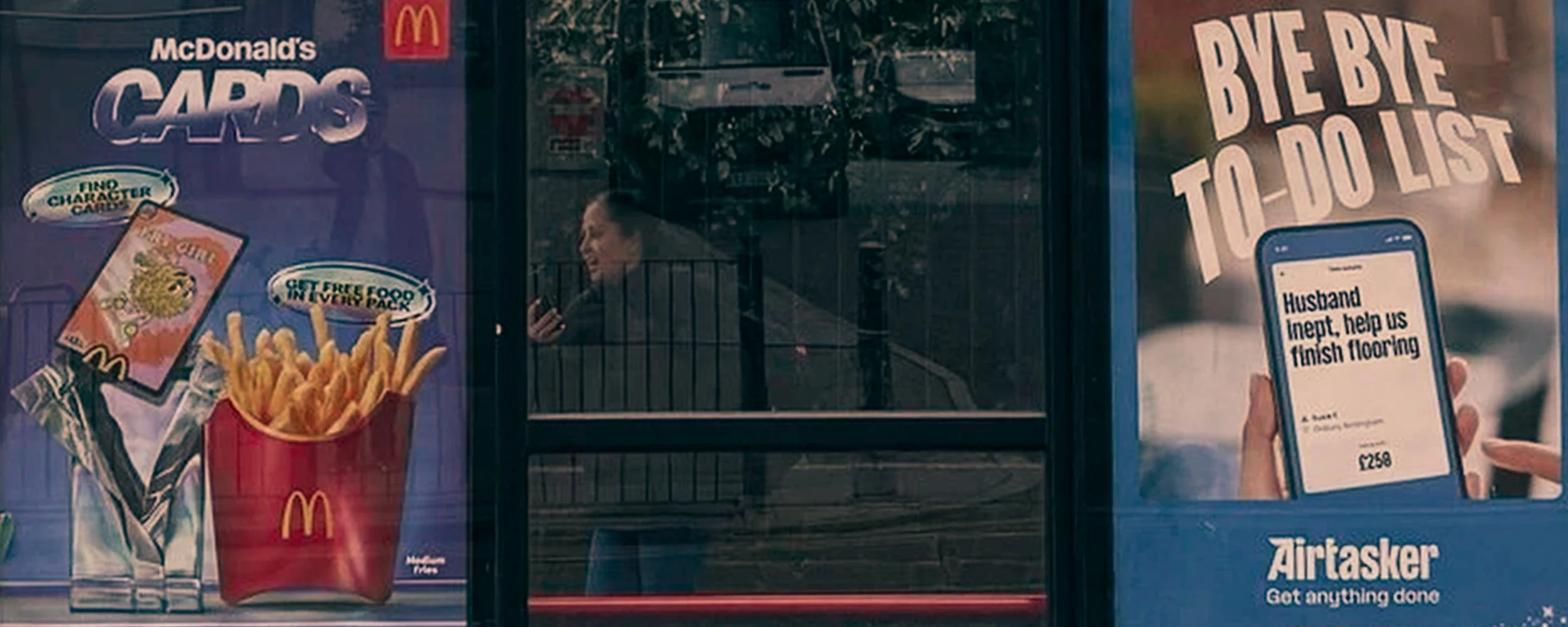
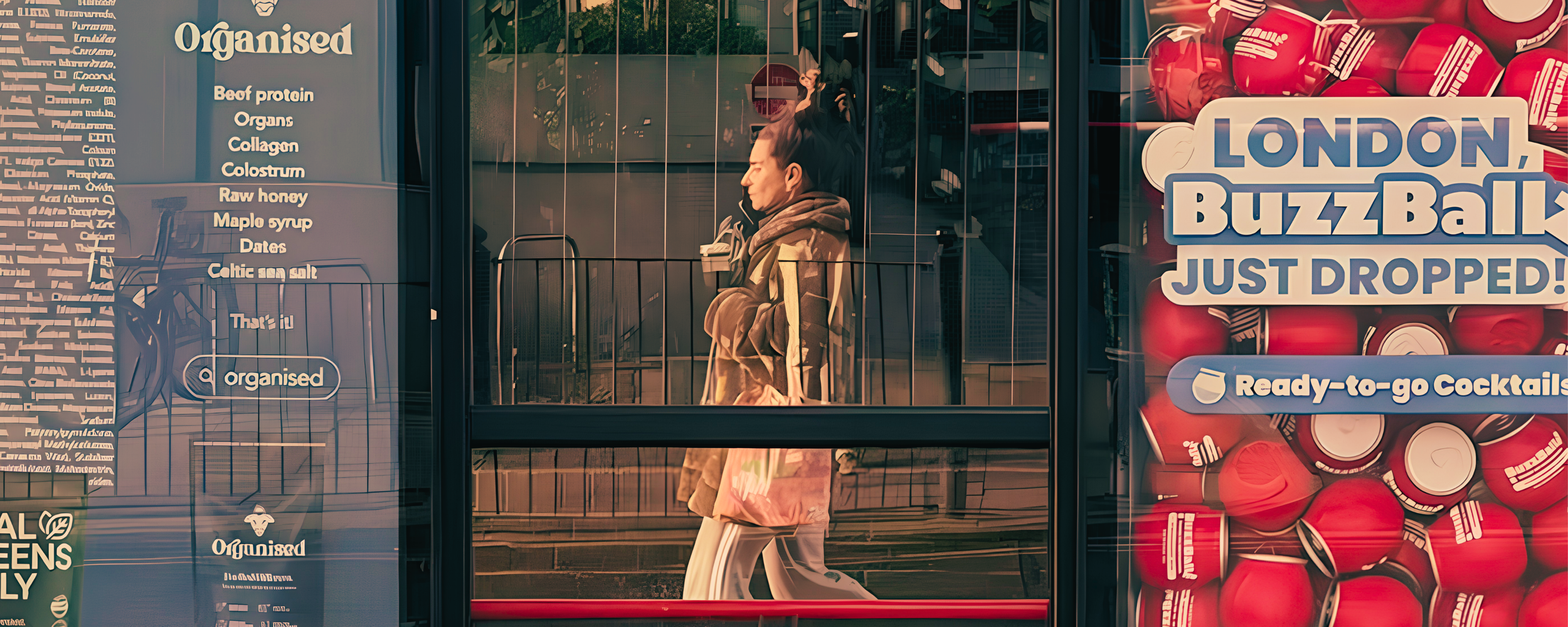
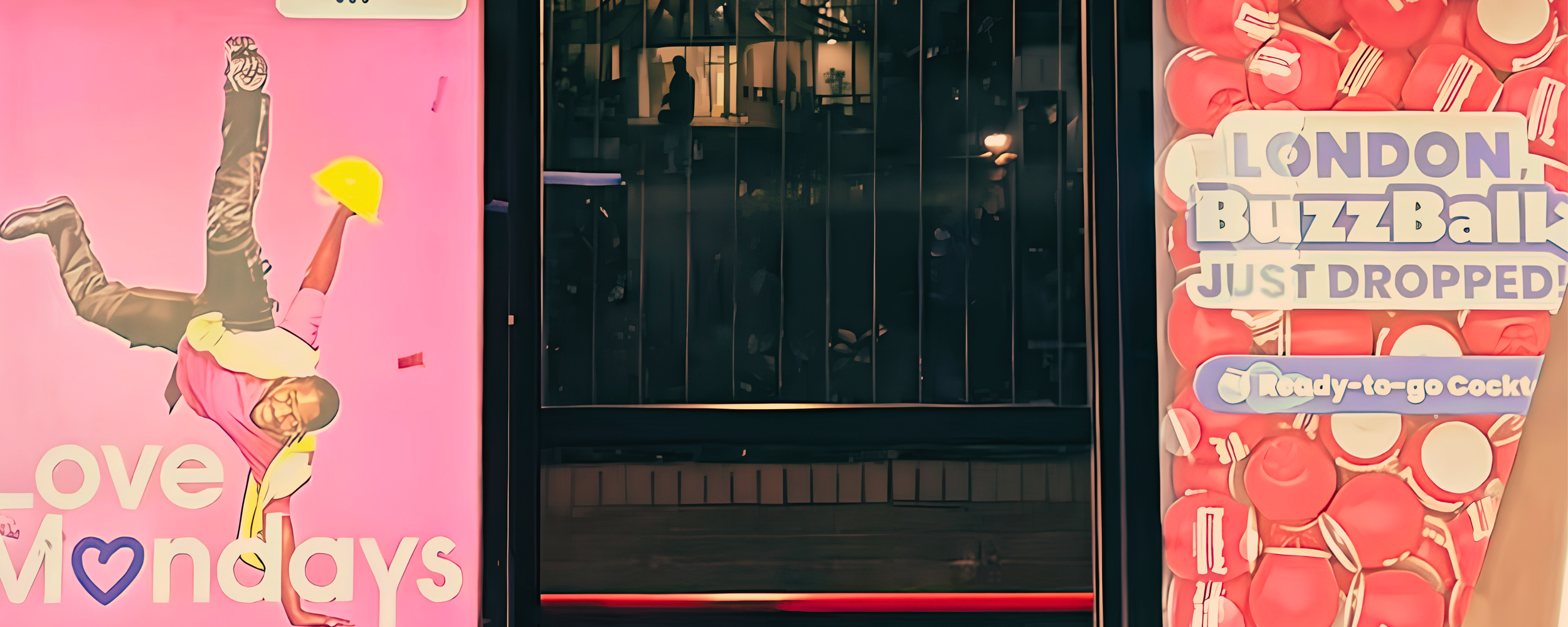
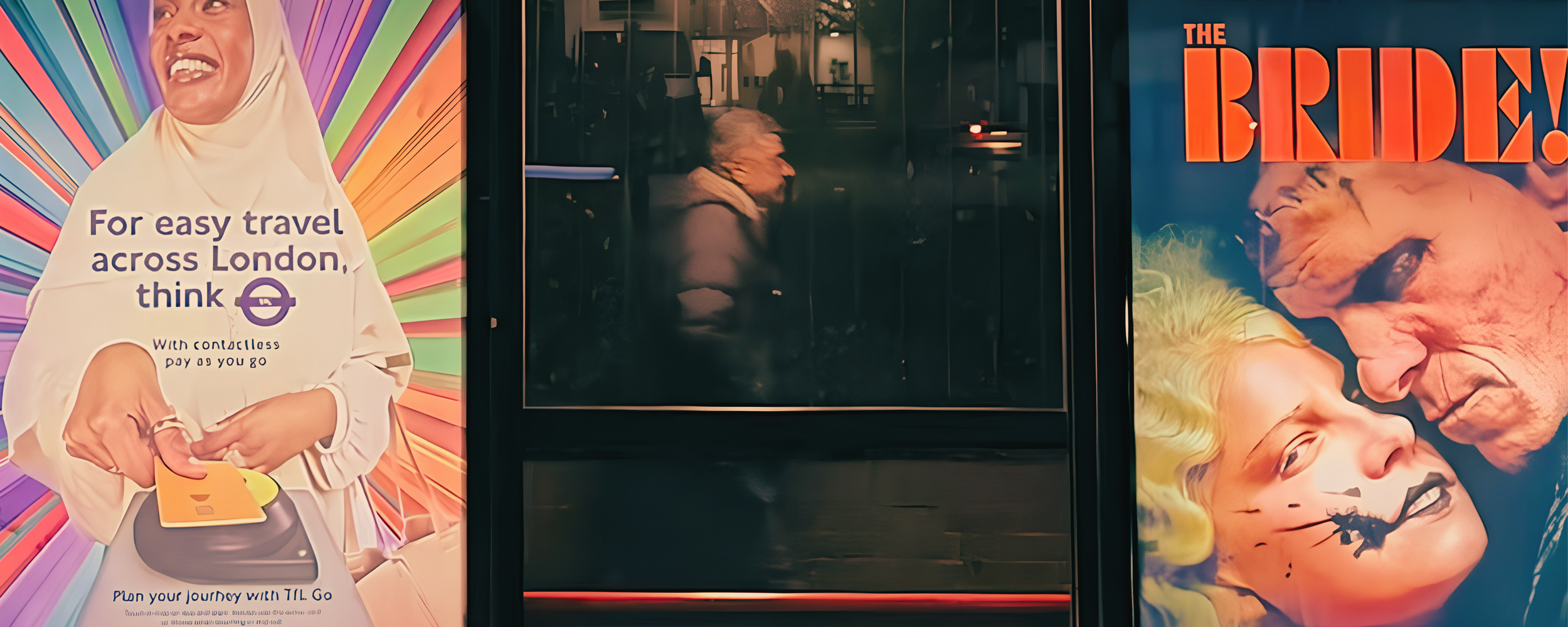
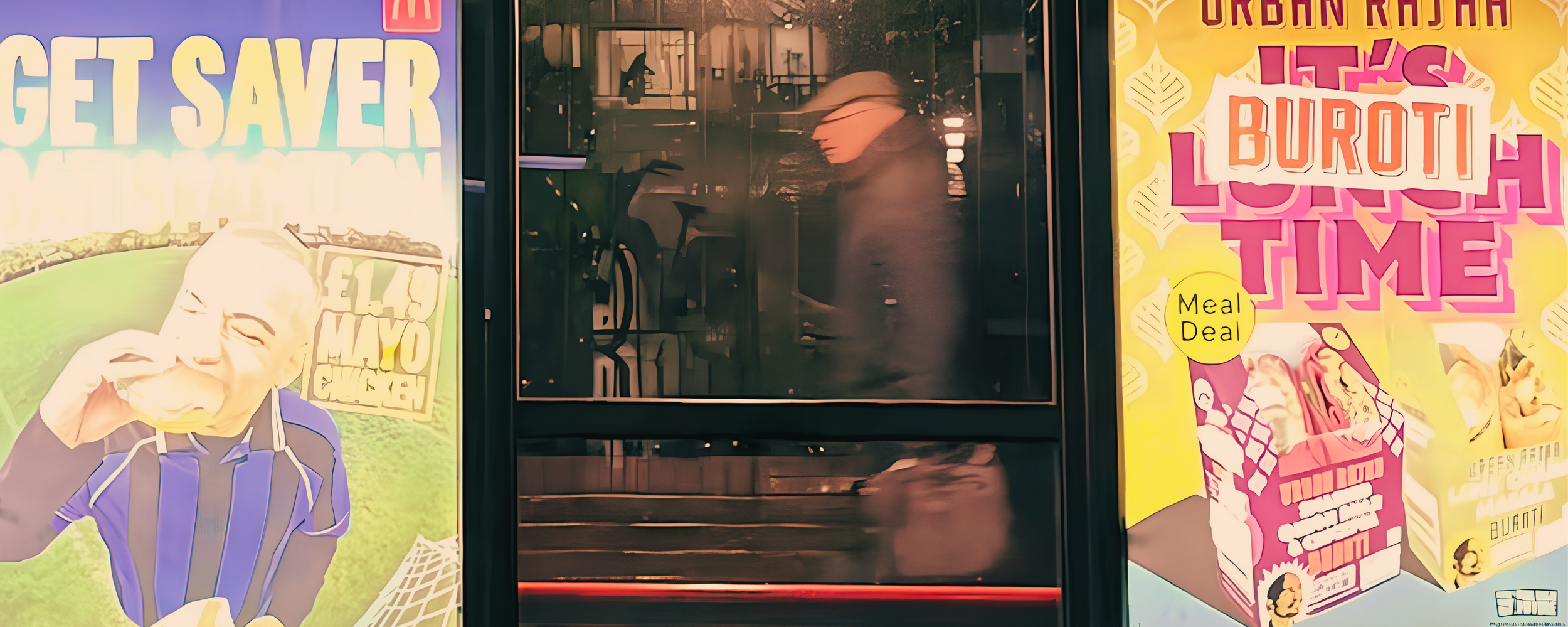
《不留》以大致固定的视角,反复记录伦敦同一处公交车站。车站构成一个持续出现的框架:两侧是明亮的广告,中央是较暗的候车空间。行人、车辆、光线、反射,以及广告本身,都在这一框架中不断更替,使一处寻常的公共设施成为记录时间的装置。
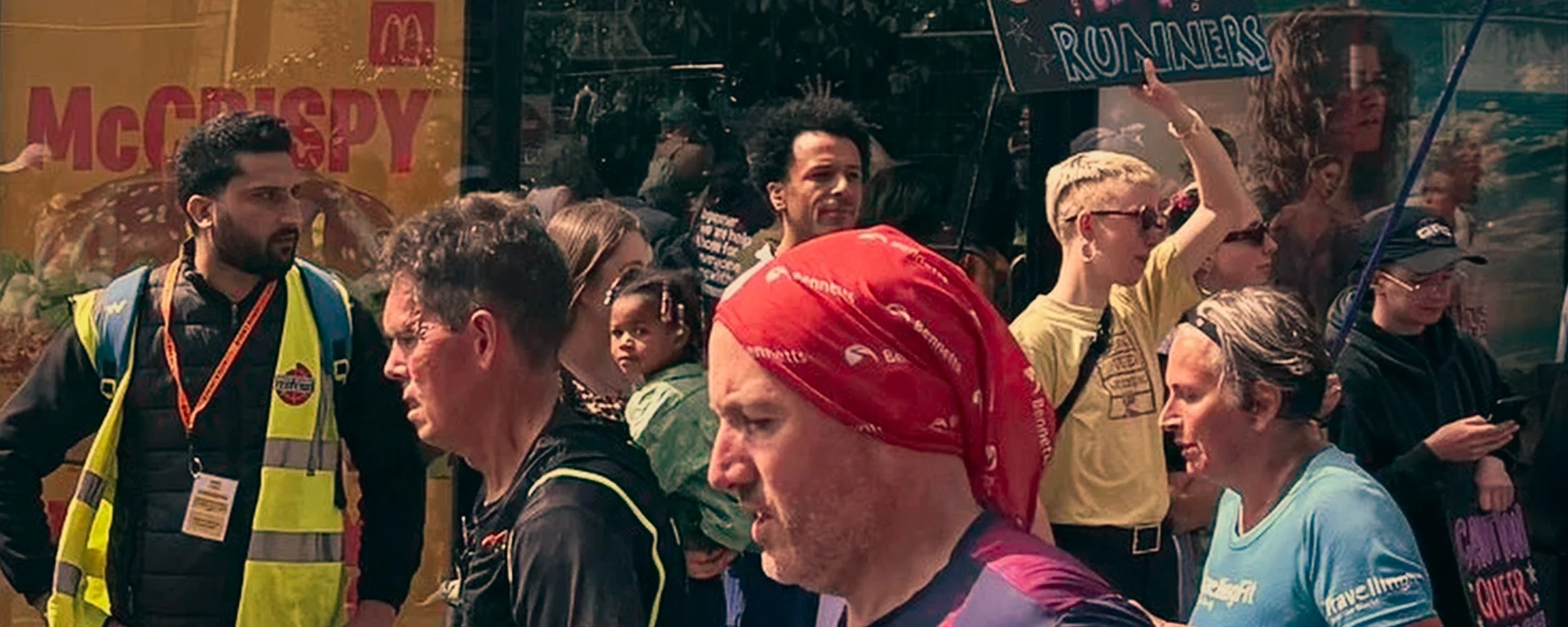
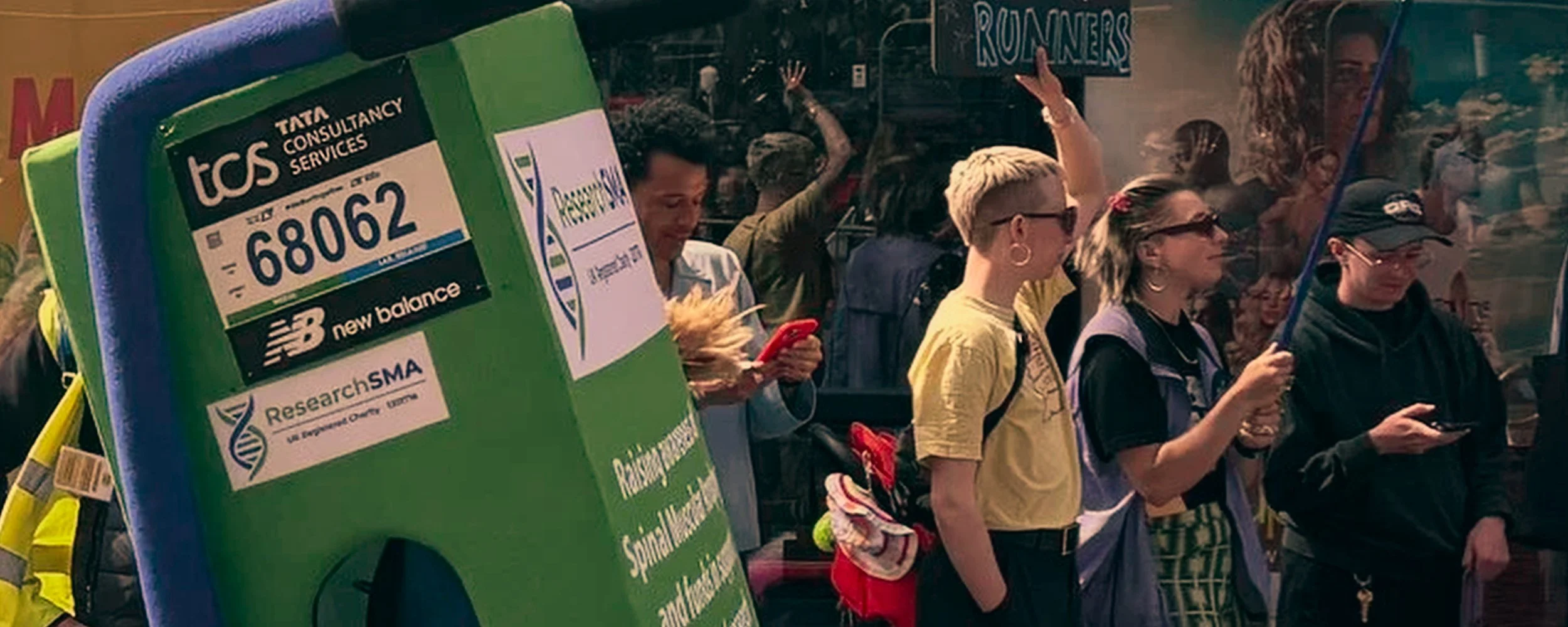
在这个熟悉的场所,不同的生活轨迹短暂交叠。人们抵达、等待、经过、离开,共享同一套交通系统与城市节奏,却未必进入彼此的生活。公交车站使人靠近,但空间上的接近,并不必然带来人与人的相遇。
作品的张力来自广告图像与真实身体之间的对照。商业图像鲜明、清晰,持续展示关于食物、愉悦与理想生活的想象;真实的人却可能被反射分割、被阴影遮蔽,或只在经过时留下短暂的身影。商业图像仿佛比经过这里的人更稳固地占据着空间。因此,中央的暗部并非单纯的空白:它容纳一段段生活的经过,却不将任何人留在原地。
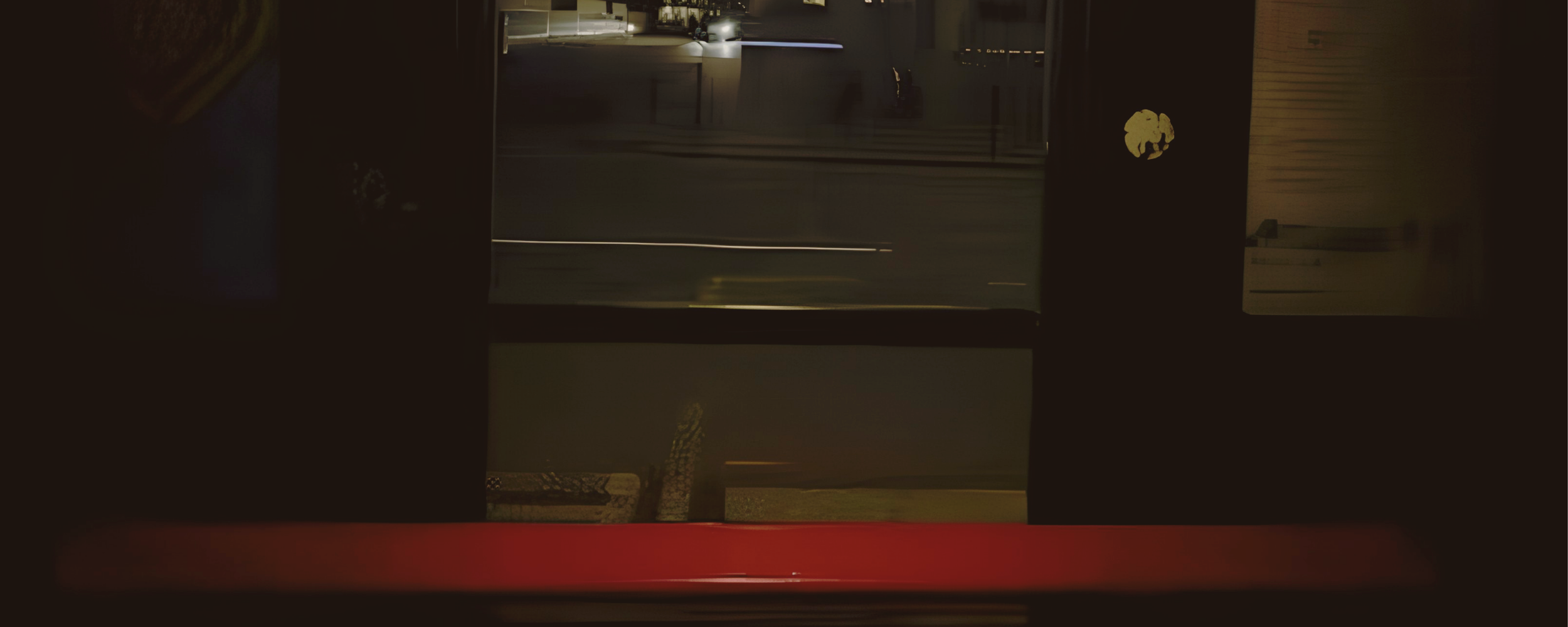
一幅从车站内部向外拍摄的影像,使观看者从观察这一结构,转为透过它观看城市。贯穿整个系列的重复,由此让差异与时间的持续变得可见。重复的是框架,而不是瞬间。每一次停留,都仍是继续前行的一部分。
Statement
No One Stops observes the same London bus stop through repeated photographs made from a largely fixed viewpoint. The shelter provides a recurring frame: illuminated advertisements on either side, a darker waiting space between them. People, vehicles, light, reflections and the advertisements themselves change within it, turning an ordinary public structure into a means of registering time.
Within this familiar setting, different lives briefly overlap. People arrive, wait, pass through and leave, sharing a transport system and the rhythms of the city without necessarily entering one another’s lives. The bus stop brings them into proximity, but closeness does not guarantee an encounter.
The contrast between advertising and human presence gives the work its tension. Commercial images remain vivid and legible, offering food, pleasure and imagined ways of living, while actual bodies may be fragmented by reflections, obscured by shadow or caught only in passing. The commercial image appears to occupy the space more securely than the person moving through it. The dark centre is therefore not simply an empty interval: it accommodates a succession of lives without holding any of them in place.
An image taken from inside the shelter turns the view outwards, shifting the viewer from observing this structure to looking through it. Across the series, repetition makes difference and duration visible. The frame returns; the moment does not. Each pause is part of moving on.